
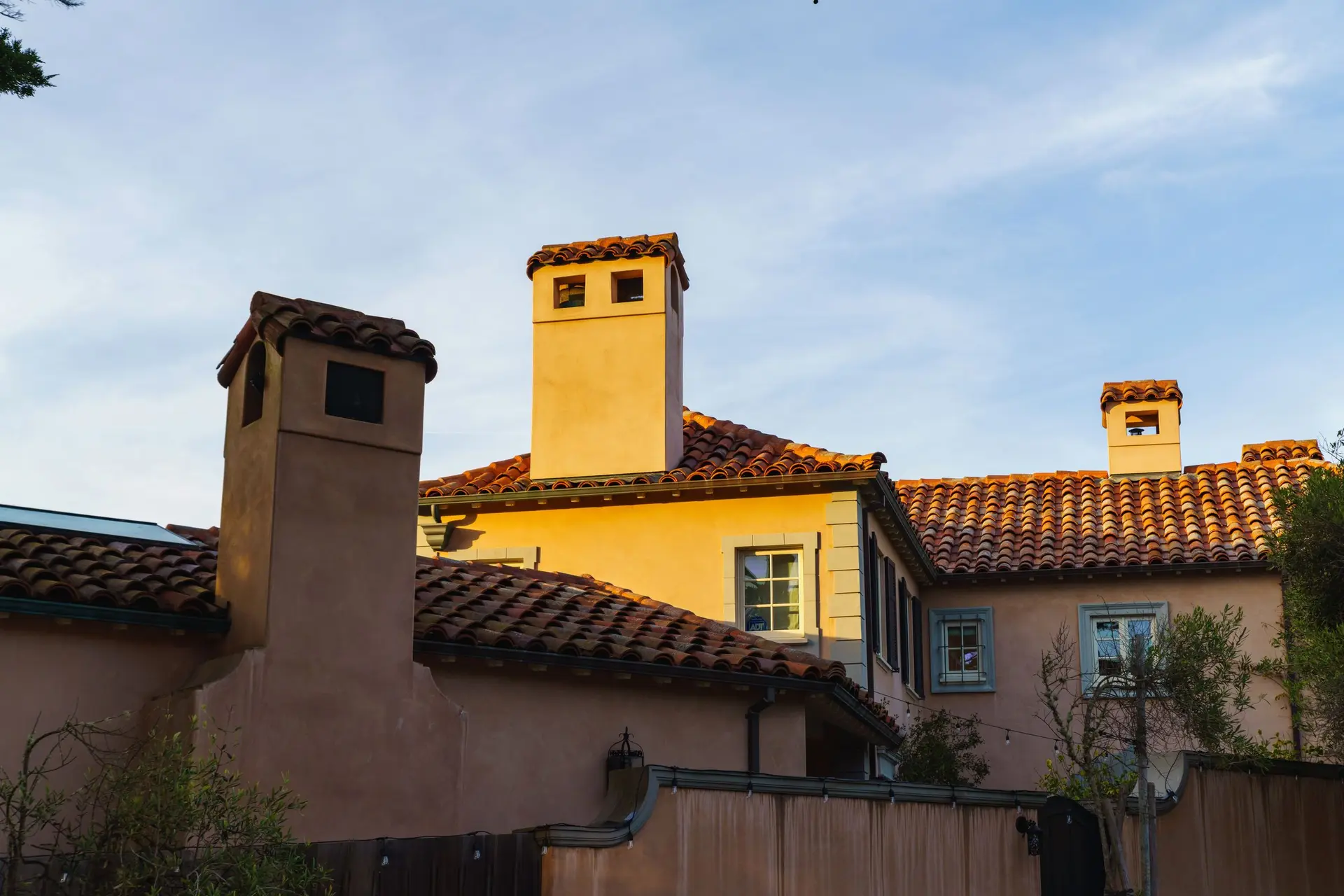
Stucco & Exterior Wall Repair in Calabasas
Stucco repair and re-stucco in Calabasas, starting with the crack pattern, the base of the wall and the lath behind it before a new coat goes on.
An exterior wall has to shed water down its face and out at its base, let any moisture that gets behind the finish drain away, and hold its color through hard sun and dry wind. Cement plaster also counts as a noncombustible skin, which matters on a Calabasas lot that falls within a mapped fire hazard area and its ember-resistance requirements. If the house steps down a slope, the downhill walls take the most runoff.
Reading the crack pattern
Fine map cracking across a wall is generally shrinkage in the finish coat and usually calls for a sealer or a fresh color coat. Cracks that run diagonally from window and door corners, step down toward the foundation, or open wider at the top are a different signal. We mark them, check the slab or stem wall for level and look at how the yard is graded. If the footing has moved, the stucco waits until the structural cause is dealt with, since a patch over a moving wall cracks again.
Patch, recoat or strip to framing
Small damaged areas are cut back to sound edges, re-lathed where needed and built up again in coats, then textured to blend with the wall around them. When the paper behind the stucco has failed, the lath has rusted, or water staining shows inside, a patch only hides the problem, so the wall comes off to the studs. New weather-resistive barrier, lath and a fresh scratch, brown and finish coat follow. Exposed framing is inspected at that stage, and rot is replaced before anything covers it again.
About our stucco & exterior workEverything we build in Calabasas
Stucco & Exterior in Calabasas: questions
Not by itself. Hairline cracks across a wall are typical as plaster cures and ages. A footing problem tends to show as stepped or diagonal cracks that widen, doors that stick, and gaps at the base. We check the stem wall for level and see how the yard drains, then tell you which it is before any patch is priced.
When the damage is spread across the wall, or the layers behind the finish have failed. Rusted lath, torn or missing paper, soft framing and repeat leaks at the same window all point to stripping the wall. A face covered in many small patches can also cost more to keep fixing than to recoat, and those patches rarely blend well.
We pull soil and mulch back so the stucco ends above grade, then check the weep screed along the bottom edge. The building code sets that screed at least 4 inches above soil, or 2 inches above paving, so moisture can drain out. A missing or buried screed gets replaced, and the ground beside it is graded to fall away from the house.
More work in Calabasas
Planning work in Calabasas?
Tell us about the lot and the job. A builder replies by phone or email to set up a visit.